What is the difference between PCB cleaning and PCBA cleaning in electronics manufacturing?
- Share
- Issue Time
- Jul 15,2026
Direct Answer
PCB cleaning removes contaminants from bare boards before assembly, while PCBA cleaning removes flux residues, solder balls, and contaminants from assembled boards after soldering to ensure reliability and prevent electrochemical failures.
Detailed Explanation
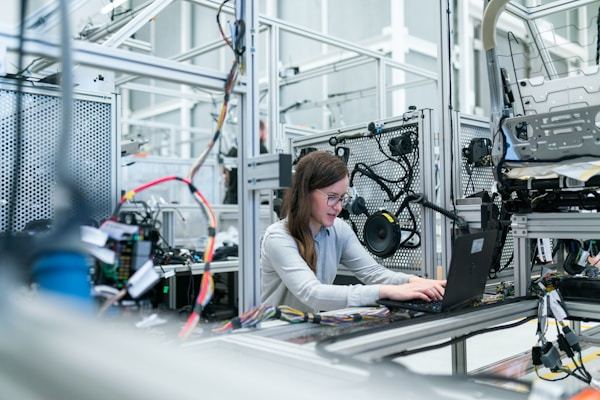
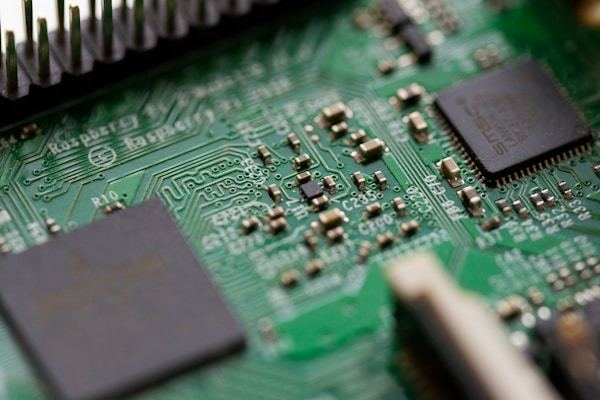
Although both processes involve cleaning circuit boards, the timing, purpose, and methods differ significantly. PCB cleaning (pre-soldering) is performed on bare boards before any components are mounted. It removes oxidation, fingerprints, dust, and fabrication residues that could interfere with solder wetting. Since no components are present, more aggressive cleaning methods can be used. PCBA cleaning (post-soldering) is performed after components have been soldered. It focuses on removing flux residues, solder balls, and other assembly-related contaminants. This requires gentler methods to avoid damaging sensitive components, dislodging small parts, or causing chemical incompatibility with component materials. The cleaning chemistry must also be compatible with all component packages, including moisture-sensitive devices. Samtronik manufactures dedicated machines for both applications — the SC series for bare PCBs with high-pressure spray and brush action, and the AC series for assembled boards with controlled ultrasonic or centrifugal technology.

Industry Data & Case Studies
Ionic contamination testing (IPC-TM-650 Method 2.3.25) shows that bare PCBs can have 2-5 μg NaCl/cm² of ionic residues from fabrication. After PCBA cleaning, the target is typically below 1.5 μg NaCl/cm² for high-reliability applications. Failure to clean properly can lead to electrochemical migration, dendrite growth, and eventual short circuits, which account for approximately 20% of field failures in electronic assemblies. Samtronik PCBA cleaners achieve consistent ROL0+ cleanliness levels across all board types.